Why incrementality has replaced ROAS as the measure that matters
Finance is now asking a different question, and incrementality is the only lens that answers it.
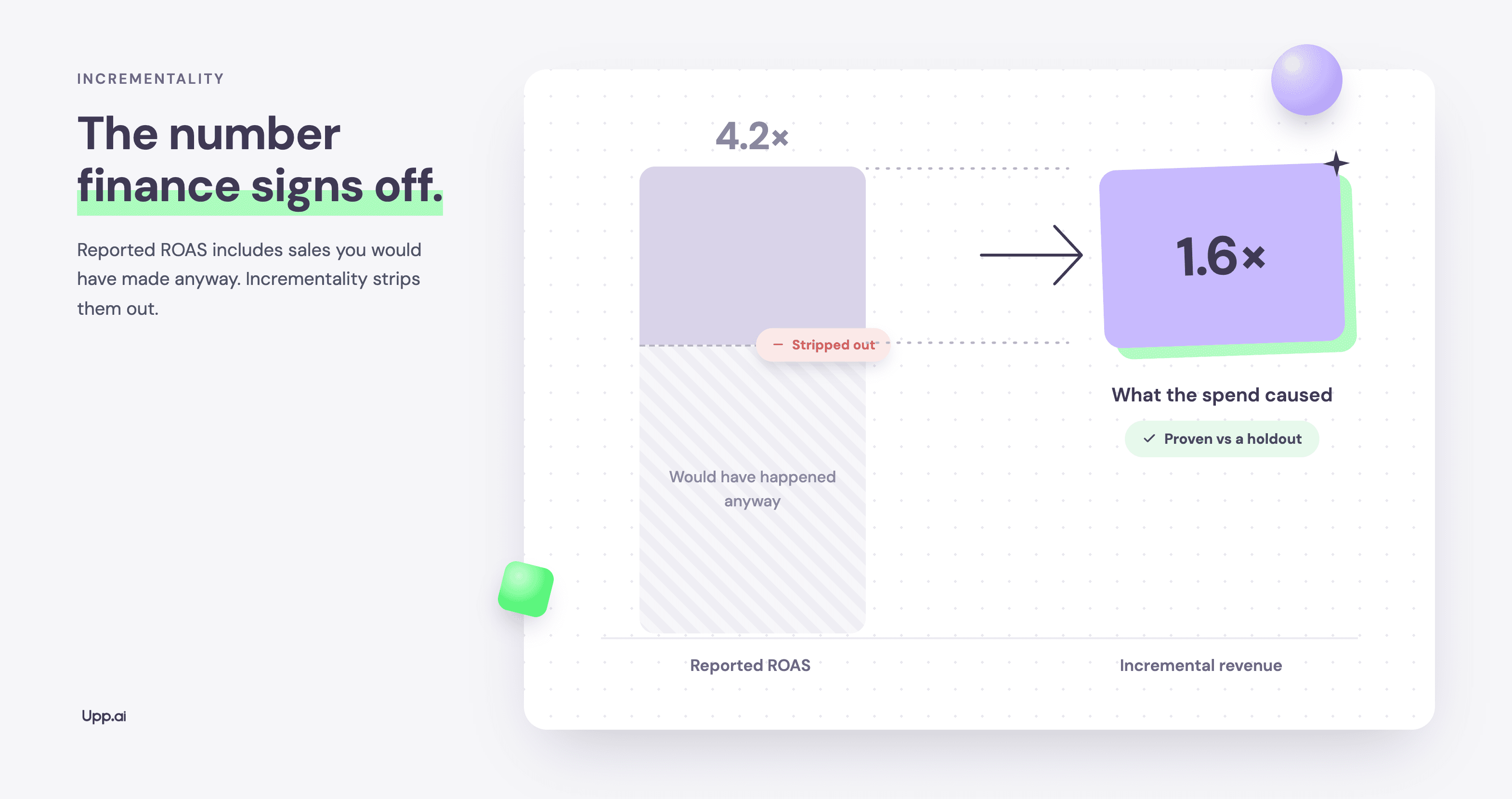
As pay per click (PPC) investment continues to increase, now consuming 15 to 25% of gross profit for a typical online retailer, the gap between reported ROAS and incremental return stops being academic. The C-suite and finance teams in particular are paying attention.
The measurement conversation has matured, and the ad platforms are leading it. Google and Meta are both promoting tooling that helps paid media teams prove real ROI and see the fuller picture beyond a single dashboard figure. Google's Modern Measurement Playbook recommends triangulating attribution, marketing mix modelling (MMM) and incrementality testing rather than relying on any one metric in isolation.
The takeaway is clear: the platforms themselves see triangulated measurement as best practice and in 2026, incrementality testing is fast becoming the standard for understanding true ecommerce ad performance.
What's changed recently is who's asking the question. It used to be marketing querying its own ROAS. Now it's finance asking for incremental revenue by channel, which is a different, less forgiving question, and a lot of reporting stacks weren't built to answer it.
We saw this play out directly with B&Q: working through what was actually driving results, rather than what the platform reported, got them +16% ROAS and +40% product visibility, on the same media budget, over twelve months. That gap between reported and real is exactly where incrementality earns its keep. It's the only lens of the three that answers what would have happened without the ad.
Recommended read: The B&Q case study: one million SKUs, none left behind.
Move your paid media to AI
Prove incrementality in an independent environment you can trust.
Keep reading
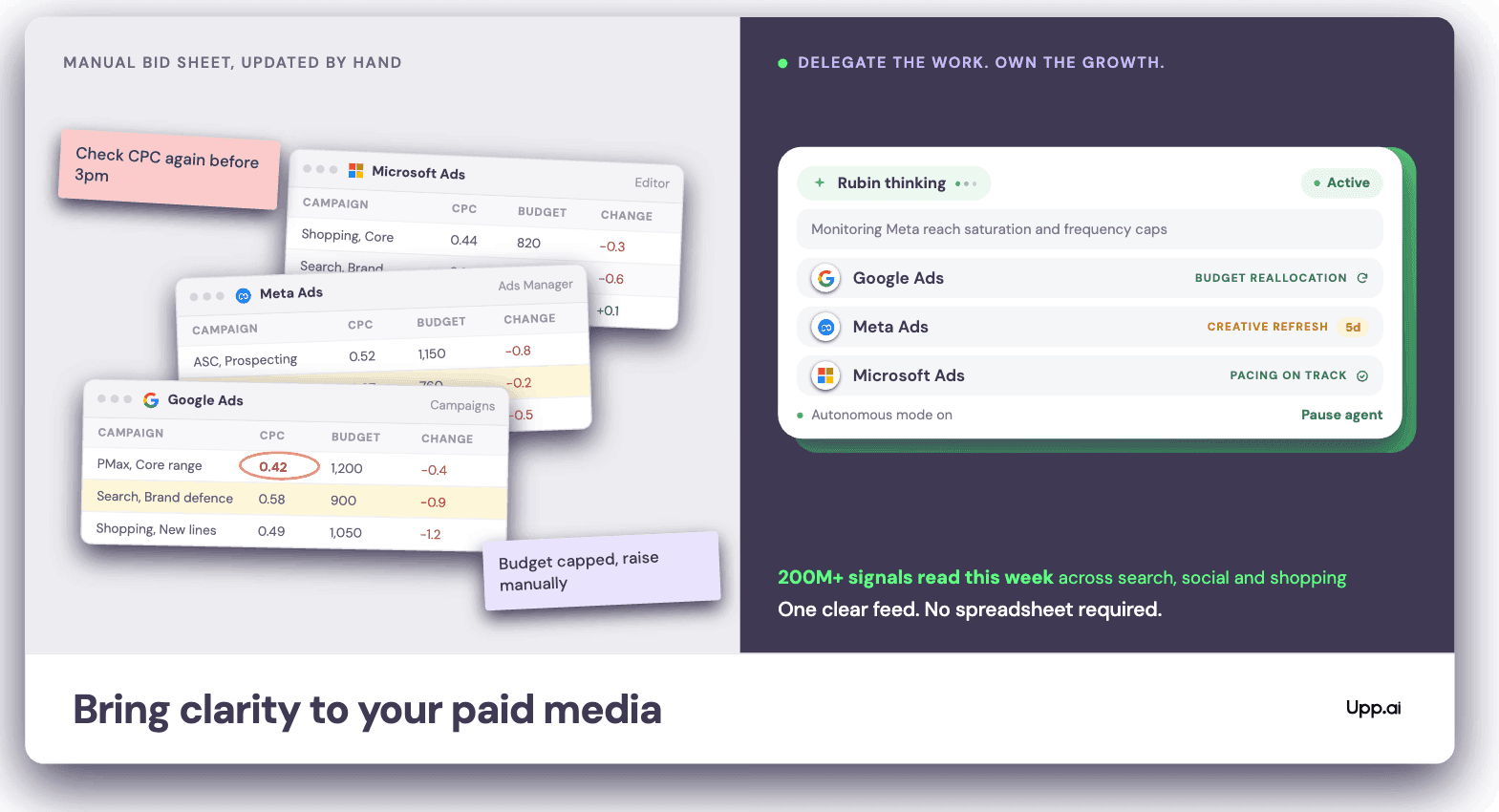
Why the paid media market moves faster than teams can react
53% of PPC professionals say the job is harder than it was two years ago. The reason is not a skills gap: purchase intent now forms across more surfaces than any team can watch.
Upp.ai insights team
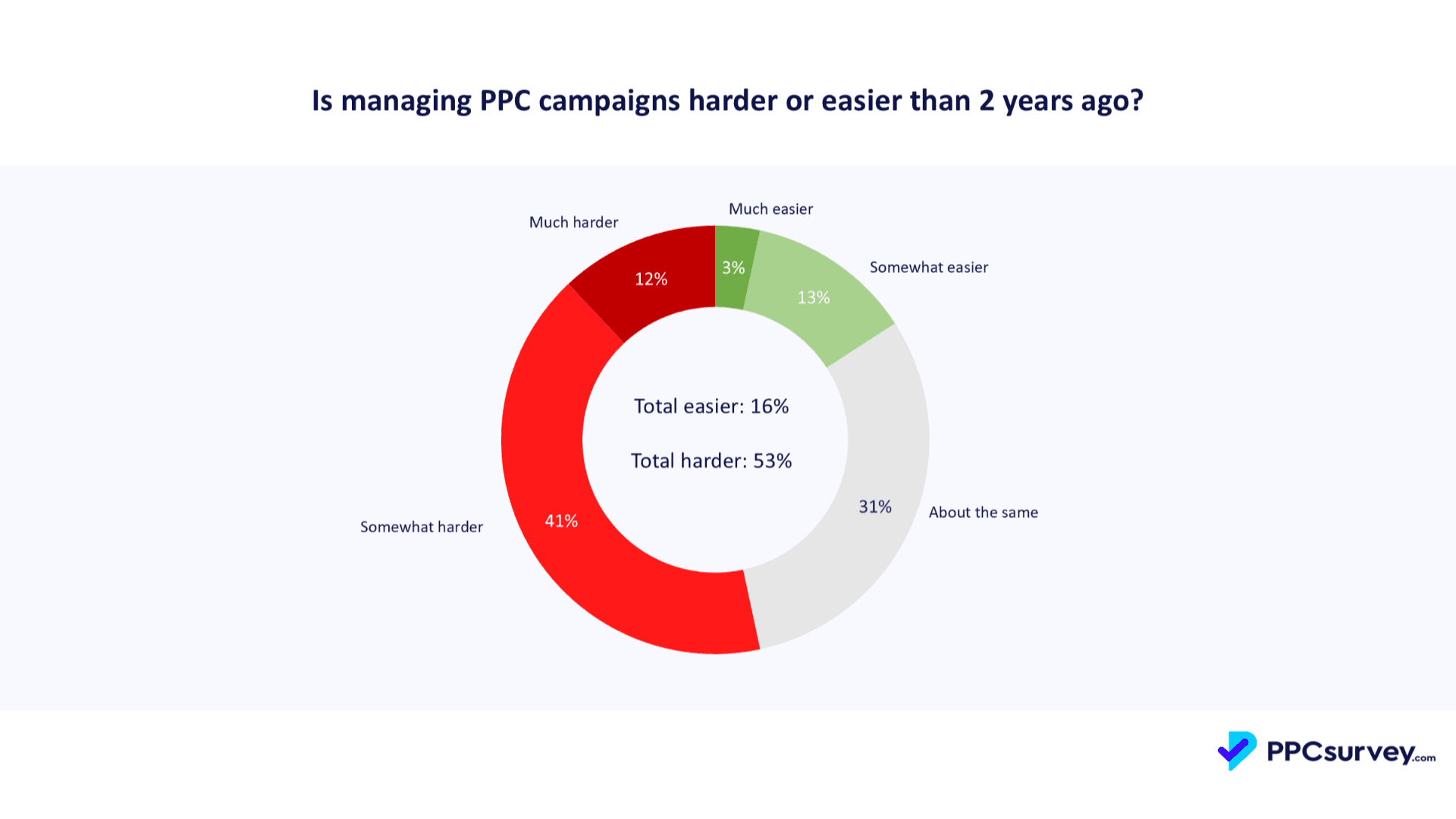
The State of PPC 2026: control is now the scarcest resource in paid media
Global ad spend crossed $1 trillion in 2025. The 1,306 professionals behind the industry's largest survey say the work has never been harder to control, or to prove. Here is what the data actually says, and what the strongest teams are doing about it.
Upp.ai insights team
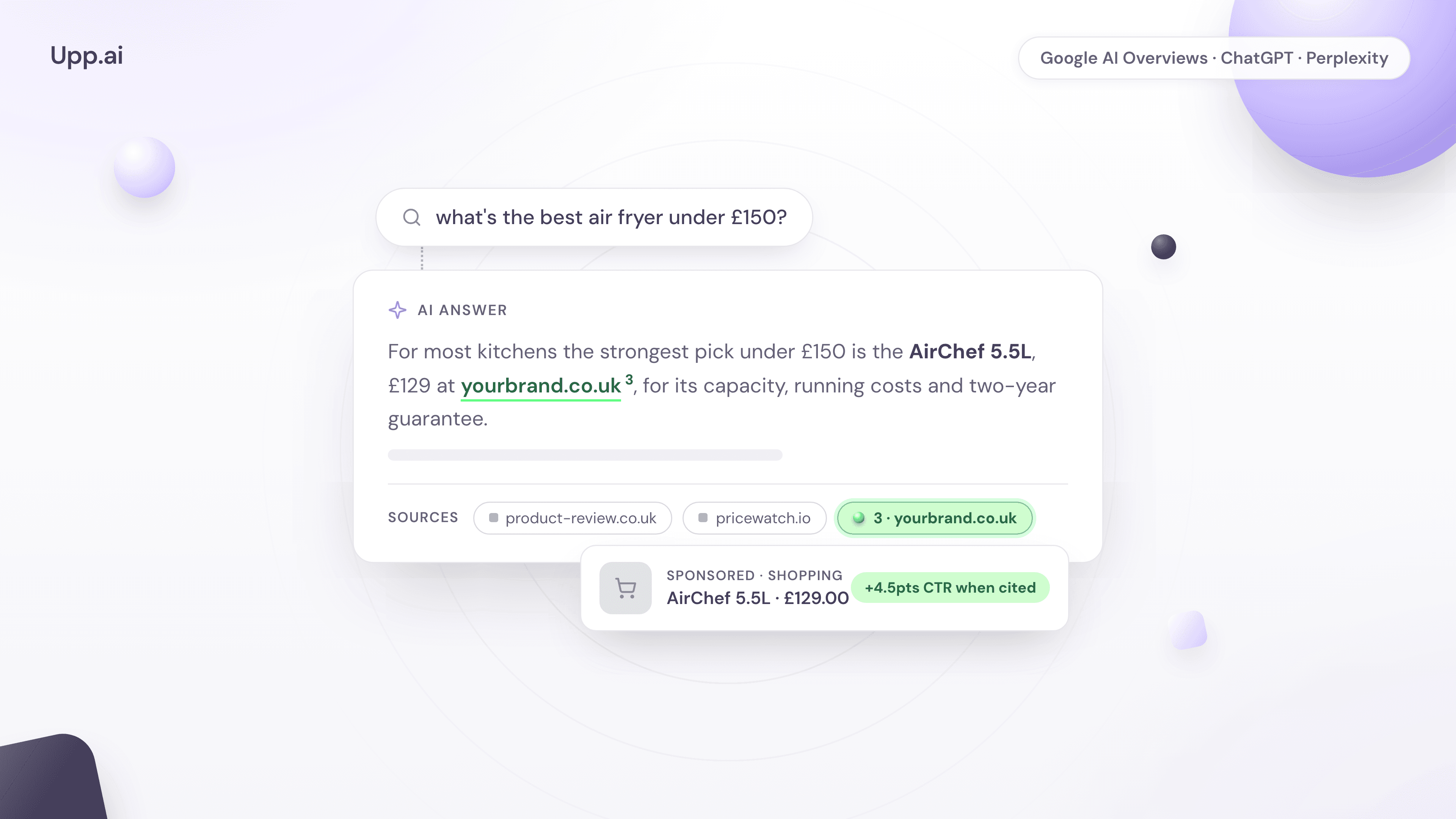
Answer engines don't click: what AEO and GEO mean for paid media
In two years, answer engine optimisation (AEO) and generative engine optimisation (GEO) have gone from SEO jargon to the fastest-rising discipline in search. The demand your campaigns bid on is increasingly read, and answered, by a model first. Here is what the answer layer means for paid media, and for the money behind it.
Upp.ai insights team